Walking route
A Fuchu Walk: Okunitama Shrine to Tokyo Racecourse
Walk from Keio Fuchu Station along the zelkova avenue to Okunitama Shrine, the old guardian shrine of Musashi Province, then on to Tokyo Racecourse. Route, opening hours and festival dates.
By Tama Travel GuideFacts checked: 6 sources
At a glance
- Nearest station
- Start: Keio Fuchu Station; Okunitama Shrine 5 min
- Open
- Shrine gates 6:30–17:00 (Sep 15–Mar 31)
- Best for
- A morning before the races; free
Contents
Before or after a day at the races, you can walk from Keio Fuchu Station down the zelkova avenue to Okunitama Shrine (大國魂神社), the guardian shrine of the old Musashi Province, and on to Tokyo Racecourse. The shrine is about 5 minutes from the station, and the shrine says it was founded in the year 111. The JRA Racing Museum, inside the racecourse, lists Fuchu Station as an 18-minute walk. It is a free, flat walk through the oldest part of Fuchu.
Route at a glance
| # | Section | What you’ll see |
|---|---|---|
| 1 | Keio Fuchu Station → zelkova avenue | Station exit, the start of the avenue |
| 2 | Zelkova avenue → great torii | Baba-daimon Keyaki Namiki, a national natural monument |
| 3 | Okunitama Shrine grounds | Zuishinmon gate, main hall, sub-shrines |
| 4 | Shrine → Tokyo Racecourse | Toward the racecourse gates |
1. Start at Keio Fuchu Station
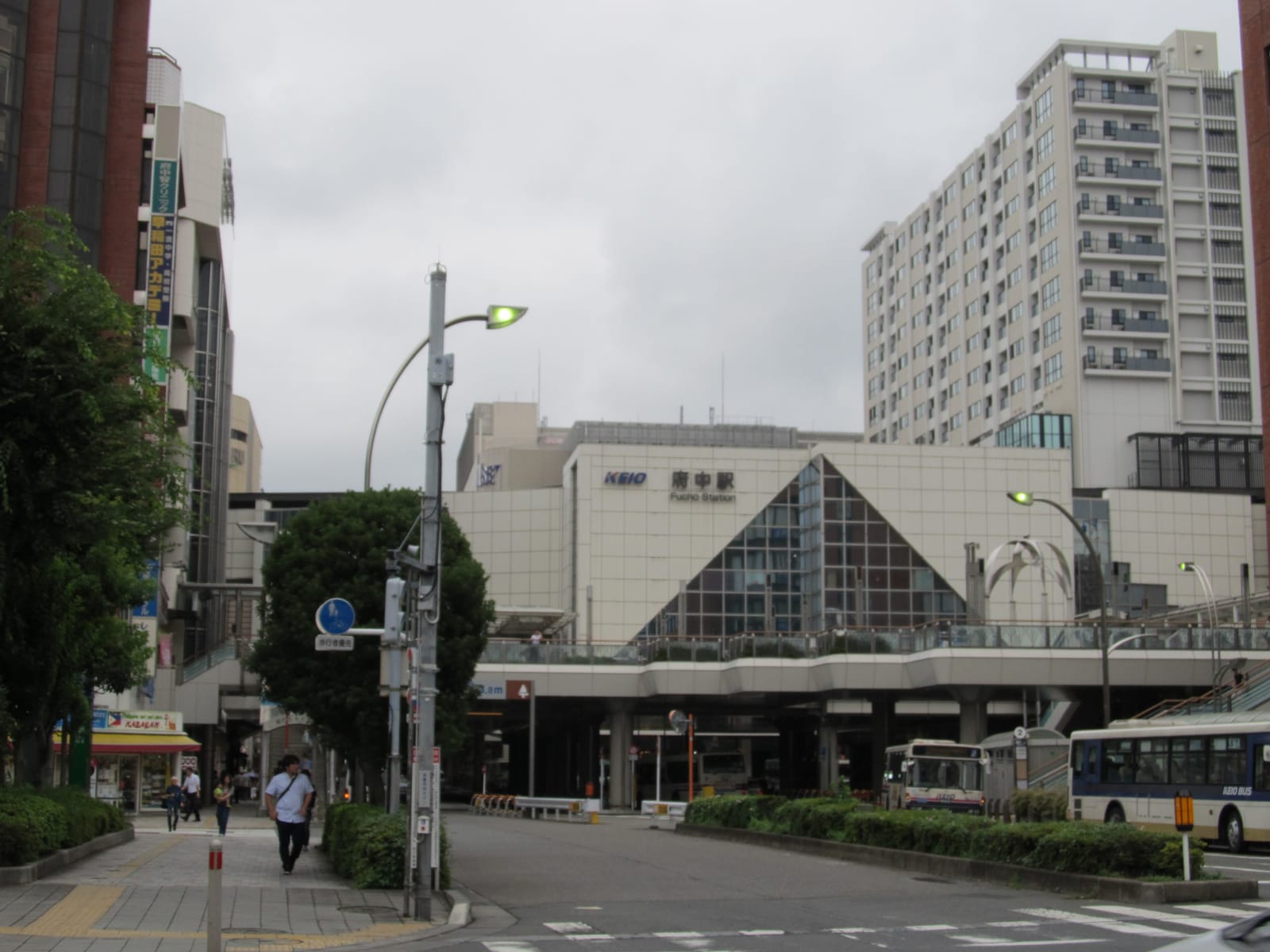
Get off at Fuchu (府中) on the Keio Line. Okunitama Shrine gives its access as 5 minutes on foot from Keio Fuchu Station, or 5 minutes from Fuchu-Honmachi (府中本町) on the JR Musashino and Nambu lines.

2. The zelkova avenue
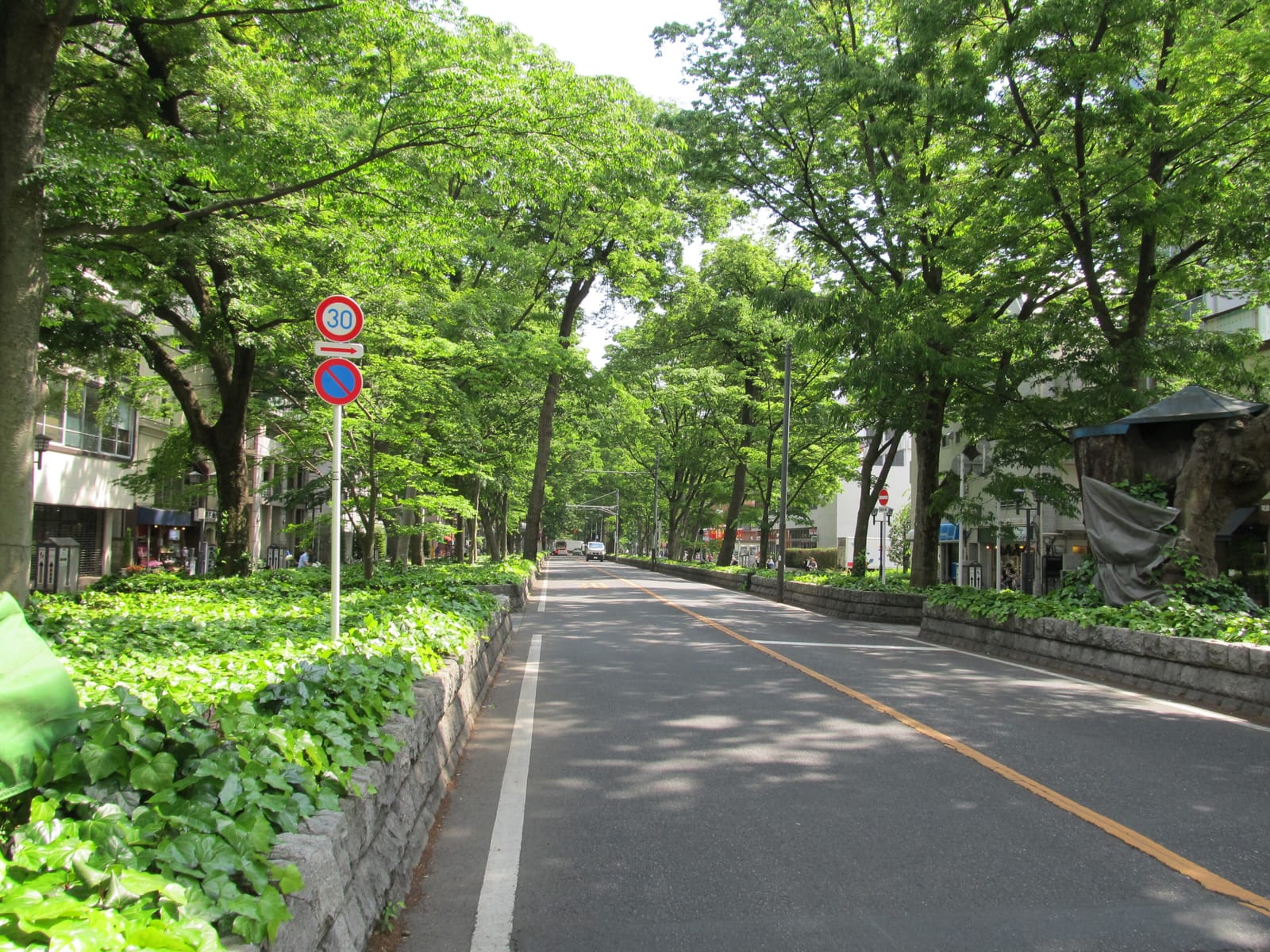
The approach to the shrine is lined with zelkova trees. This is the Baba-daimon Keyaki Namiki (馬場大門のケヤキ並木). It was designated a national natural monument on December 9, 1924, and Fuchu City marked its 100th anniversary in 2024. The city has also passed an ordinance to protect and grow the trees.
The shrine lists the avenue among its own facilities, along with the great torii (大鳥居) at its end.

3. Okunitama Shrine
_%E7%A5%9E%E9%96%80.JPG)
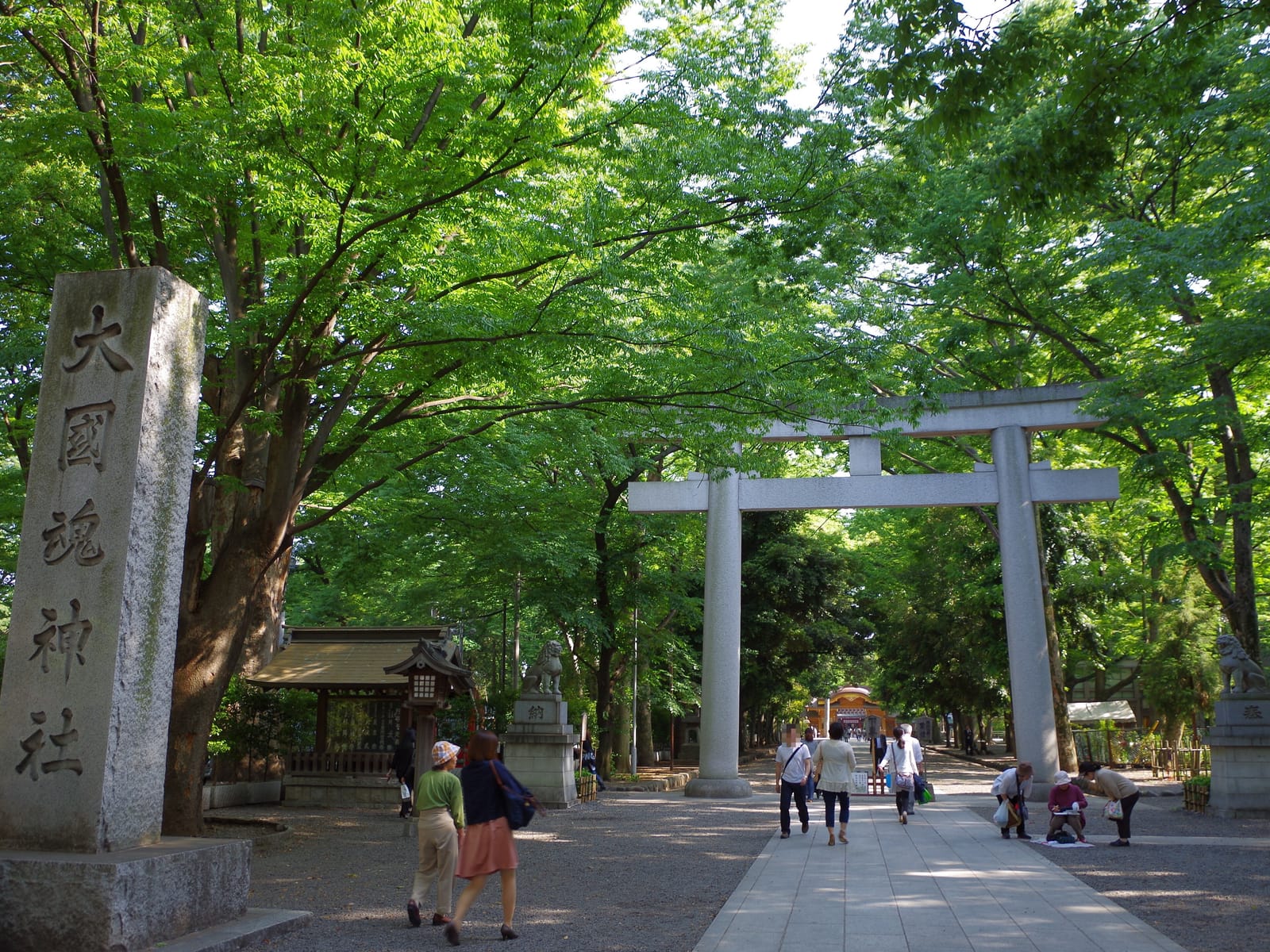
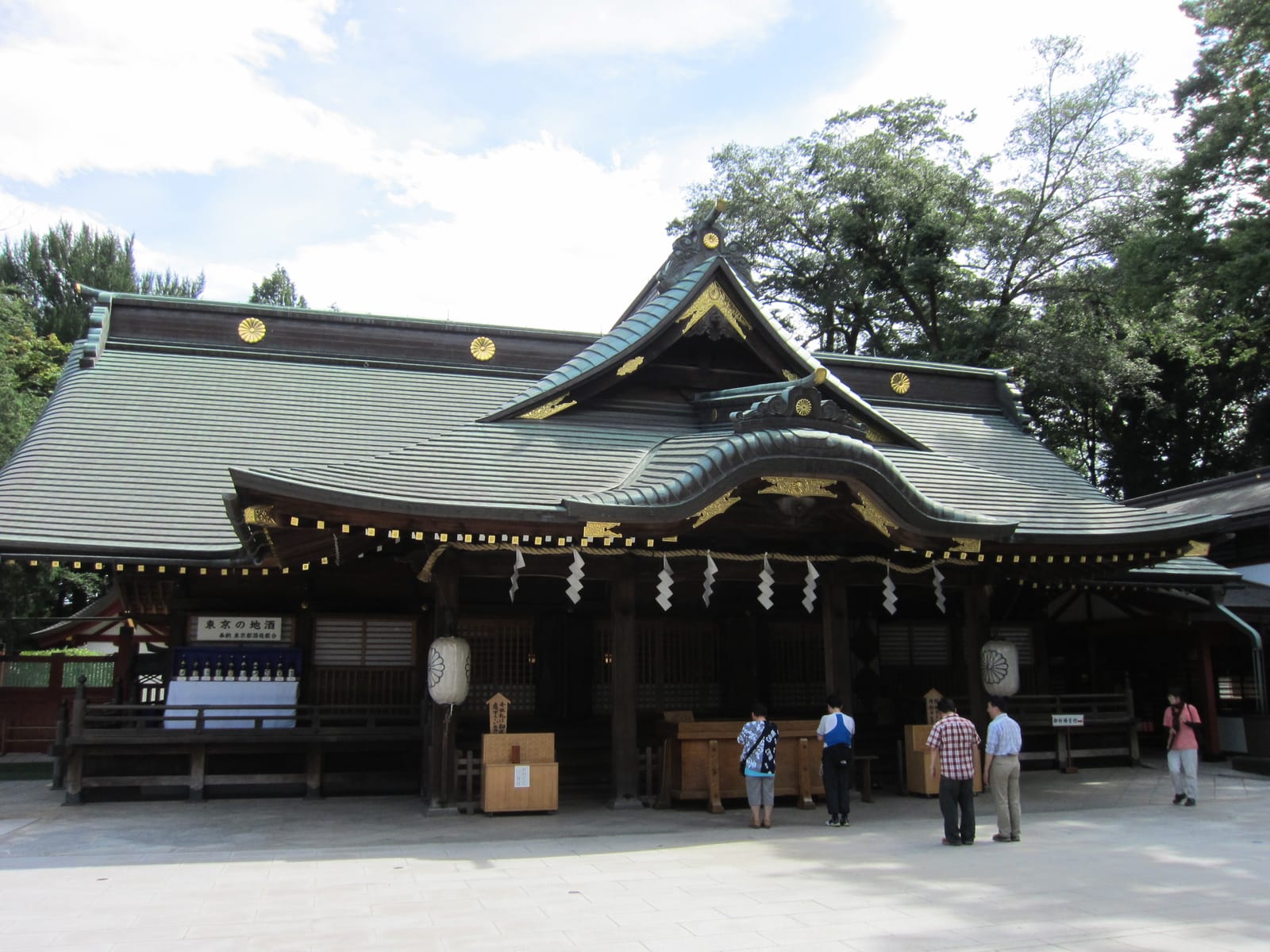
Okunitama Shrine enshrines Okunitama-no-Okami, the guardian god of Musashi Province, which covered today’s Tokyo, Saitama and part of Kanagawa. From the shrine’s own history page:
- Founded: the shrine dates its origin to the year 111 (the 41st year of Emperor Keiko). It marks “1,900 years” on its website.
- Musashi’s provincial shrine: after the Taika reforms in 645, the provincial capital of Musashi was placed here, and the shrine became the place where the governor worshipped. The six main shrines of the province were later enshrined here as well, so it was also called Rokushonomiya (六所宮).
- Main hall: rebuilt in 1667 on the orders of shogun Tokugawa Ietsuna, as three halls joined side by side, painted vermilion. It is a Tokyo Metropolitan cultural property.
- Known for: warding off bad luck (厄除け), matchmaking and good fortune.
Gate hours (as of October 2026):
| Period | Gates open |
|---|---|
| April 1 – September 14 | 6:00–17:00 |
| September 15 – March 31 | 6:30–17:00 |
Prayer ceremonies run 9:00–16:00, and goshuin (shrine stamps) are given 9:00–17:00. The shrine notes that the gates now close at 17:00 all year.
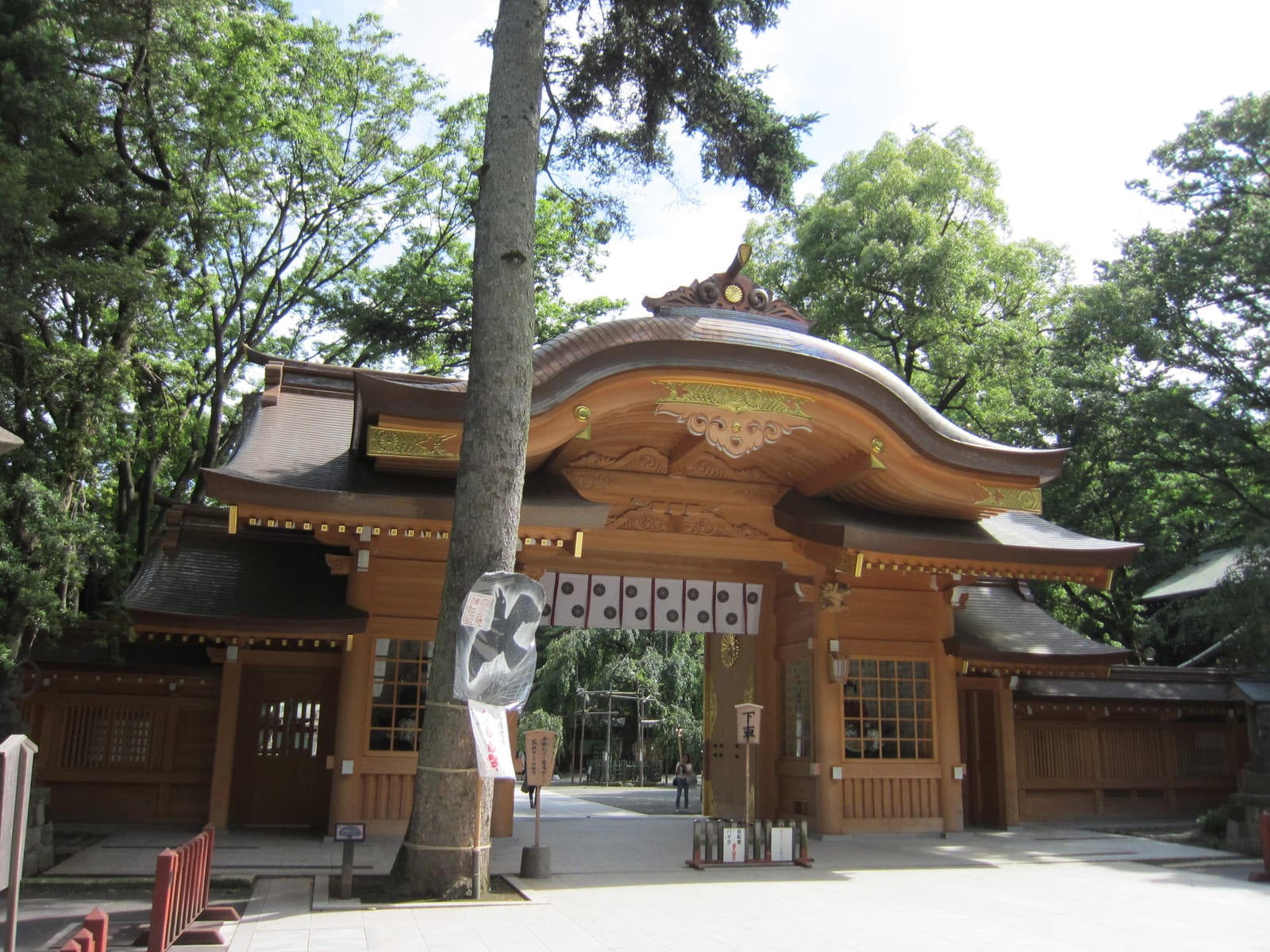
Inside the grounds, the shrine’s map lists the Zuishinmon (随神門) and Chujakumon (中雀門) gates, the main hall and prayer hall, many small sub-shrines, a kagura hall, a drum tower, a sumo ring and a treasure hall (宝物殿).
_%E6%8B%9D%E6%AE%BF.JPG)
Kurayami Matsuri
The shrine’s big festival is Kurayami Matsuri (くらやみ祭), held April 30 to May 6 each year. The shrine explains the name (“darkness festival”): in the old days, eight portable shrines were carried to the Otabisho in the dark, with all lights put out. Since 1961 the procession has been held in the evening. Expect very large crowds in Fuchu during Golden Week.
4. On to Tokyo Racecourse
From the shrine, head toward the racecourse. You have three gates to choose from:
| Gate | Nearest to | Notes |
|---|---|---|
| West Gate | JR Fuchu-Honmachi Station (5 min by a dedicated overpass) | The overpass gate at Fuchu-Honmachi opens only on race days and off-track betting days |
| Main Gate | Keio Fuchu-Keiba-Seimon-mae Station | Next to the Fuji View Stand |
| East Gate | Keio Higashi-Fuchu Station (10 min) | The only gate open on weekdays for the museum. Hiyoshigaoka Park is just inside |
On race days, entry is usually ¥200 (under 15 free). On weekdays you can still visit the free JRA Racing Museum through the East Gate, Wednesday to Sunday most of the year. See our museum guide.
Making a day of it
| Time | Plan |
|---|---|
| 9:00 | Keio Fuchu Station, zelkova avenue |
| 9:30 | Okunitama Shrine |
| 10:30 | Walk to Tokyo Racecourse for the first races |
| Afternoon | Racing, museum, food. See first-timer’s guide and eating at Tokyo Racecourse |
Fuchu is three stops east of Seiseki-sakuragaoka (聖蹟桜ヶ丘) on the Keio Line. If you have a second day in the area, see things to do in Tama City.
Prices and hours change. Check the official site before you go.
Plan this trip
Sources(checked on October 17, 2026)
- Okunitama Shrine: Official website (hours, access) (Japanese)
- Okunitama Shrine: History (Japanese)
- Okunitama Shrine: Festivals and events (Japanese)
- Fuchu City: Baba-daimon zelkova avenue, national natural monument (Japanese)
- JRA Racing Museum: Visitor information and access (Japanese)
- JRA: Tokyo Racecourse location and access (Japanese)