Guide
How to Place a Bet at Tokyo Racecourse (in English)
How betting works at Tokyo Racecourse: the ¥100 minimum, the age-20 rule, the ten bet types, English guides at the information desk, the SMAPPY QR option and how payouts work.
By Tama Travel GuideFacts checked: 6 sources
At a glance
- Cost
- Minimum bet ¥100
- Best for
- Adults 20 and over only (Japanese law)
- Travel time
- Sales close 2 min before each race
- Time needed
- Winning tickets can be cashed for 60 days
Contents
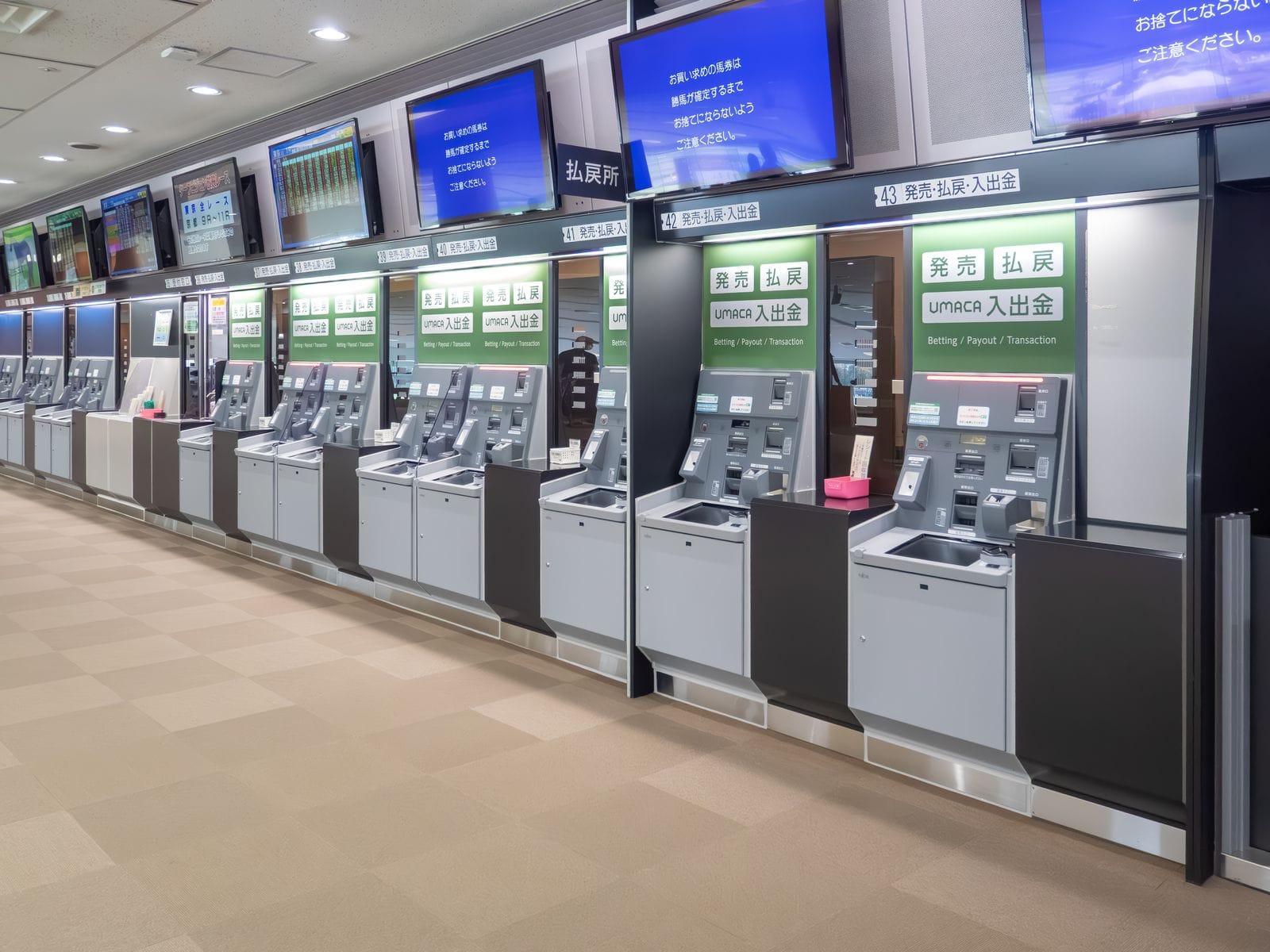
At Tokyo Racecourse you can place a bet with as little as ¥100, using machines that take a filled-in mark card or a QR code made on your phone. You must be 20 or older. In Japan this is the law, not just a racecourse rule. Pick up the free English “How to Bet” guide at the information desk, choose a simple bet type such as Win or Place, and buy before sales close 2 minutes before the race.
This page explains how the system works so you can understand what you’re watching. It is not betting advice. Betting is optional. Plenty of visitors come for the horses, the crowd and the food and never place a bet.
The rules that matter
| Rule | Details (JRA, as of October 2026) |
|---|---|
| Age | 20 and over. Under Article 28 of Japan’s Horse Racing Act, people under 20 can’t buy betting tickets or receive them from others |
| Minimum stake | ¥100 for every bet type (at racecourses) |
| Sales close | 2 minutes before post time. A bell rings and the machines stop, even mid-purchase |
| Refunds | No refunds or exchanges after purchase, including for jockey changes or track condition changes. Scratched horses are the exception (see below) |
| Check your ticket | JRA asks you to check the date, course, race number, horse number and amount on the spot. Mistakes can’t be fixed later |
| Payoff period | 60 days |
| Payment | Cash, or JRA’s own UMACA member card |
Betting tickets are void if damaged, so don’t fold, tear or leave them in the sun.
Get the English materials first
JRA says every racecourse information desk gives out these for free:
- English racing program, with all of the day’s runners.
- “How to Bet” guide in English, explaining bet types and buying steps.
- A booklet that translates the Japanese mark cards into English.
JRA’s English site also has the full How to Bet (JRA) guide as an 18-page PDF, plus short guides to the SMAPPY QR system. They are large files, so download them on Wi-Fi before your trip. The racecourse also has free Wi-Fi in the stands.
The ten bet types
.jpg)
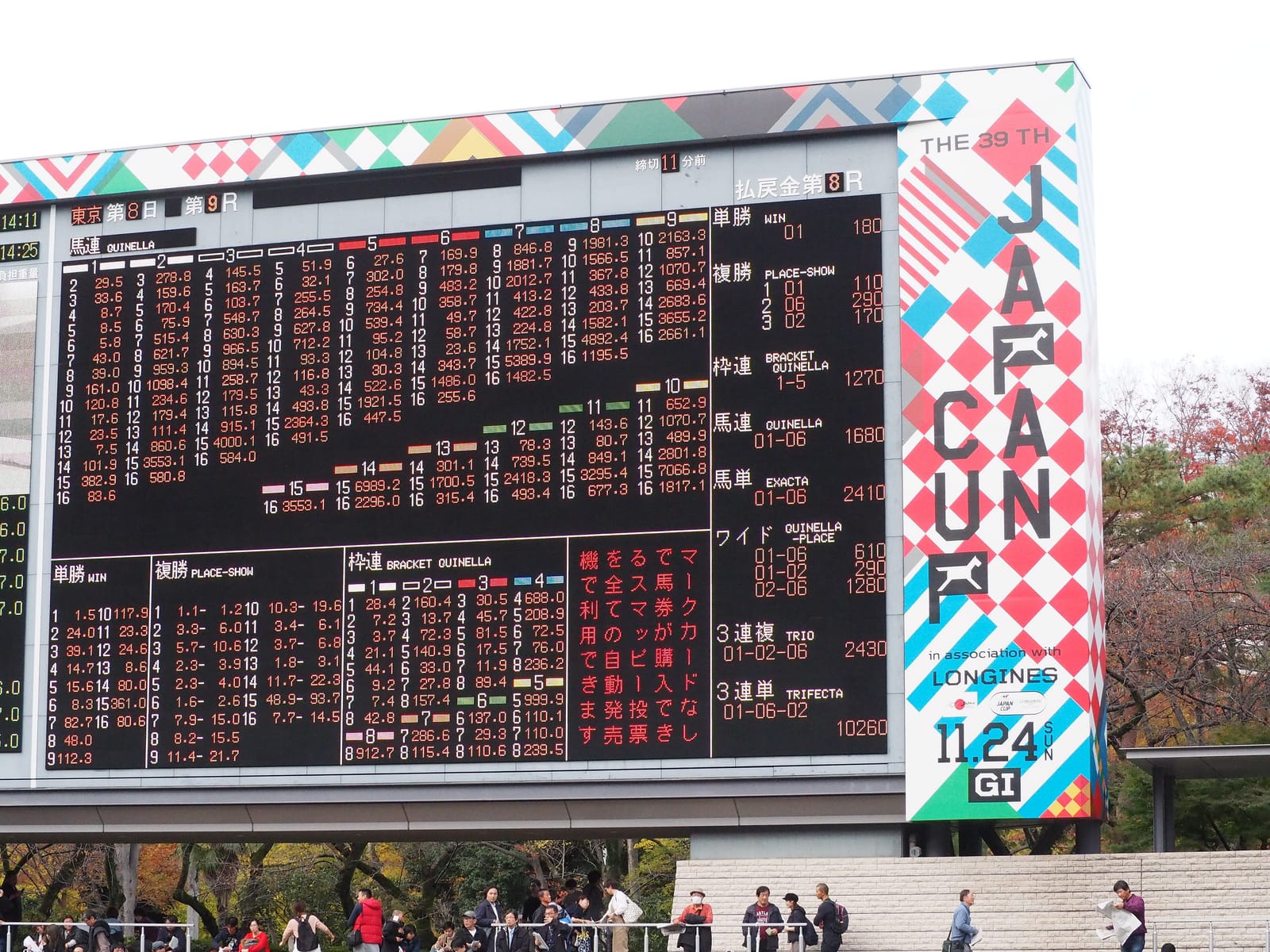
JRA sells ten types. WIN5 is only sold online or with UMACA. Horses are identified by their horse number (馬番), the number on the saddle cloth. Some bets use the bracket number (枠番) instead. Brackets 1 to 8 match the jockey’s cap colour.
| Bet (Japanese) | You pick | Order matters? |
|---|---|---|
| Win (単勝) | The winner | – |
| Place (複勝) | A horse to finish in the top 3 (top 2 if 7 or fewer runners) | – |
| Support ticket (応援馬券) | Win + Place on one horse, printed with “がんばれ!” (“Go for it!”) on one ticket. It costs twice the amount you mark | – |
| Bracket Quinella (枠連) | The brackets of the 1st and 2nd horses | No |
| Quinella (馬連) | The 1st and 2nd horses | No |
| Exacta (馬単) | The 1st and 2nd horses | Yes |
| Quinella Place / Wide (ワイド) | 2 horses that both finish in the top 3 | No |
| Trio (3連複) | The top 3 horses | No |
| Trifecta (3連単) | The top 3 horses | Yes |
| WIN5 | The winners of 5 races chosen by JRA (online / UMACA only) | – |
For a first try, Win, Place or the support ticket are the simplest to understand. Because the horse’s name is printed on a support ticket, some people keep it as a souvenir.
How the machines work: step by step
With a mark card (マークカード):
- Take the mark card for the bet type you want from the stands near the machines. Use the English booklet to read it.
- Mark the racecourse (Tokyo), race number, bet type, horse number(s) and amount (in units of ¥100).
- Insert the card and your cash into a betting machine.
- Take your ticket and any change. Check it straight away.
With SMAPPY (スマッピー, QR betting):
- On your phone, open JRA’s SMAPPY site in English (JRA links it from its English How to Bet page).
- Choose the race, bet type, horses and amount. The site makes a QR code.
- At a compatible machine, scan the QR code and pay.
SMAPPY saves you from filling in a Japanese card. Check JRA’s SMAPPY guide for which machines read the QR codes.
Scratches, ties and payouts
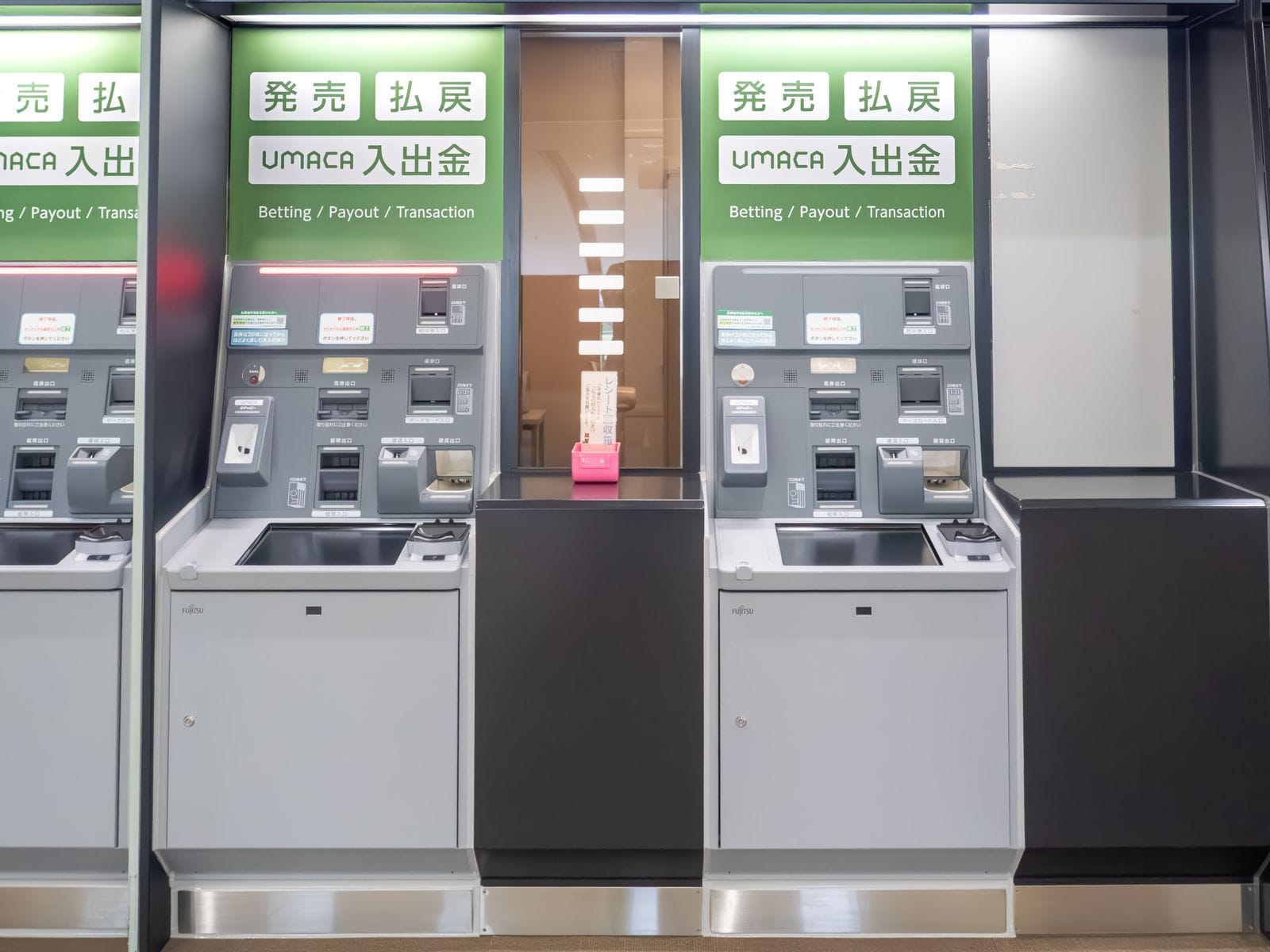

- Payouts are machine-based. After the result is official, put a winning ticket into a payoff machine (払戻機) and it pays out cash. JRA says payouts follow the official result. Changes made after it is declared don’t change the payout.
- Keep tickets until the result is official. If the stewards hold an inquiry (審議), the placings can change.
- Scratched horses. If a horse is scratched after sales start, tickets that include it are refunded after the race, at the payoff machines.
- How payouts are set. Japan uses a pool system. JRA’s rules show that each bet type pays back about 70% to 80% of the money bet on it. So on average, bettors as a group get back less than they put in.
- Tax. JRA notes that winnings can be taxable in Japan. Check the National Tax Agency or a tax adviser if you win a large amount.
Bet responsibly or not at all
- Decide a small budget before you go, and treat it as the cost of entertainment, like a show ticket.
- Bring only the cash you plan to use. There are no ATMs inside the racecourse anymore.
- Never bet for, or with, anyone under 20.
- JRA has gambling-harm measures. They include entry bans to racecourses on request, suspension of online betting, and spending limits. Its consultation desk is in Japanese.
Want a guide to explain the races and the machines in English? See Tokyo Racecourse with an English-speaking guide.
New to the racecourse itself? Start with Tokyo Racecourse for first-timers. On the biggest days, queues at the machines get long, so read big race days first.
Prices and hours change. Check the official site before you go.
Plan this trip
Sources(checked on October 17, 2026)
- Horse Racing in Japan: Beginner's FAQ (age, minimum bet, sales close, payoff period)
- Horse Racing in Japan: How to Bet (JRA), with SMAPPY QR betting guides
- Horse Racing in Japan: Guide to Going Racing
- JRA: Types of betting tickets (Japanese)
- JRA: Betting rules, sales, payouts and refunds (Japanese)
- JRA: Gambling addiction measures (Japanese)