Tickets
Tokyo Racecourse With an English-Speaking Guide
Guided horse racing tours in English are sold on Klook and GetYourGuide. What to check before booking, what a guide adds, and how the do-it-yourself ¥200 visit compares.
By Tama Travel GuideFacts checked: 5 sources
At a glance
- Cost
- DIY entry ¥200; guided tour price varies by listing
- Best for
- First-timers who want betting explained in English
- Nearest station
- Check each tour's meeting point before booking
Some links in this article may be affiliate links. If you book through them, we may earn a commission at no extra cost to you. This does not affect what we recommend.
Contents
If you want someone to explain Japanese racing and the betting machines in English, there are guided tours sold on booking sites. One example is “Tokyo Horse Racing Tour with Local Fan (with Ticket)” on Klook. But you don’t need a guide to get in. Entry is ¥200 at the gate on most race days, and JRA gives out English programs and an English betting guide for free. A guide is worth it if you want company, context and help with the machines, or if your date is a big race day and you can’t use JRA’s Japanese-only booking site.
We have not taken any of these tours. This page explains how to choose one and what to check, using JRA’s official rules as the baseline.
Do you need a guide? DIY vs guided
| Go on your own | Guided tour | |
|---|---|---|
| Entry | ¥200 cash at the gate on most race days; under 15 free | Check whether the listing includes entry or a reserved seat |
| Getting there | About 22 min from Shinjuku (新宿) to Fuchu-Keiba-Seimon-mae (府中競馬正門前) by Keio | Depends on the tour’s meeting point |
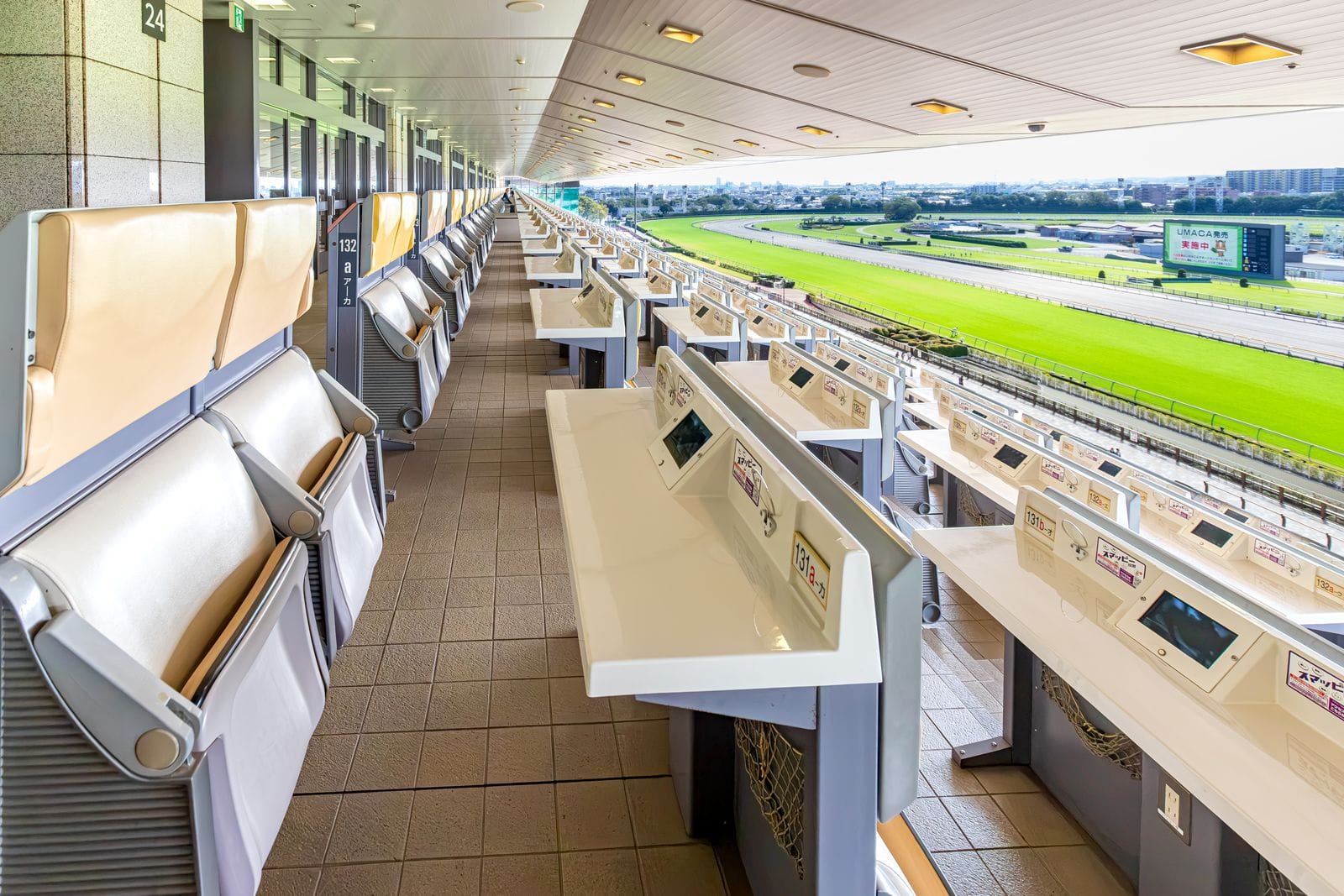
| Seats | Free seating and lawns. Reserved seats are sold online only, in Japanese | Some listings say a reserved seat is included |
| Betting help | Free English “How to Bet” guide and mark card translation booklet at the information desk | A guide shows you the machines and explains bet types |
| Racing context | English racing program | Live explanation of the paddock, odds and racing culture |
| Big race days | Advance online entry only, through a Japanese booking site | Useful if the tour includes entry. Confirm this before paying |
Go on your own if: you are comfortable with trains, happy to read an English leaflet, and visiting on a normal race day. Our first-timer’s guide and how to bet cover the basics.
Book a guide if: you want the social side and the stories behind the races, want hands-on help with the machines, or you are travelling as a group of adults who want a set plan.
What guided tours we found
As of October 2026 we found these listings. We could not open their full product pages to confirm prices and inclusions, so check everything on the listing itself:
- Klook: “Tokyo Horse Racing Tour with Local Fan (with Ticket)”. The title says a ticket is included.
- GetYourGuide: “Tokyo: Horse Racing Experience with Local Fan”. Some descriptions of this tour say the racecourse depends on the date, so check which one your date uses. (Similar tours are also listed for Nakayama Racecourse.)
See the Klook listing for current dates, price and inclusions.
Checklist before you book
20261003-IMG_6962.jpg)
Racing in Japan only happens on set days, and the rules change on the biggest days. Check these points on the listing or ask the operator:
- Which racecourse? Tokyo Racecourse races during its meetings (autumn 2026: October 3 to November 30). On other weekends, racing in the Tokyo area may be at Nakayama or another course.
- Is entry included? On normal days it is only ¥200. On Tenno Sho (Autumn) day (November 1, 2026) and Japan Cup day (November 29, 2026), JRA sells no tickets at the gate. Without an advance ticket you can’t get in.
- What seat? JRA’s reserved seats include entry. JRA’s booking page says reserved seats may not be resold or transferred. If a seat is included, ask the operator how it is arranged and whose name it is under.
- Meeting point and end time. Is it at the racecourse or in central Tokyo? The last race usually ends around 16:30.
- Food and drinks. Included, or paid on the spot? Bring cash. There are no ATMs inside the racecourse.
- Minimum age. Anyone under 20 can come along, but can’t bet. JRA’s reserved seat booking also requires members to be 20 or over.
- Cancellation. Races are rarely cancelled, but JRA can postpone a day for heavy snow or a typhoon. Check the refund rules.
- Betting money is yours. A tour price would not include stakes. Set your own small budget.
Getting the most from a guide
.jpg)
Things worth asking a guide about, all part of a normal race day:
- The paddock: what to look for as the horses walk.
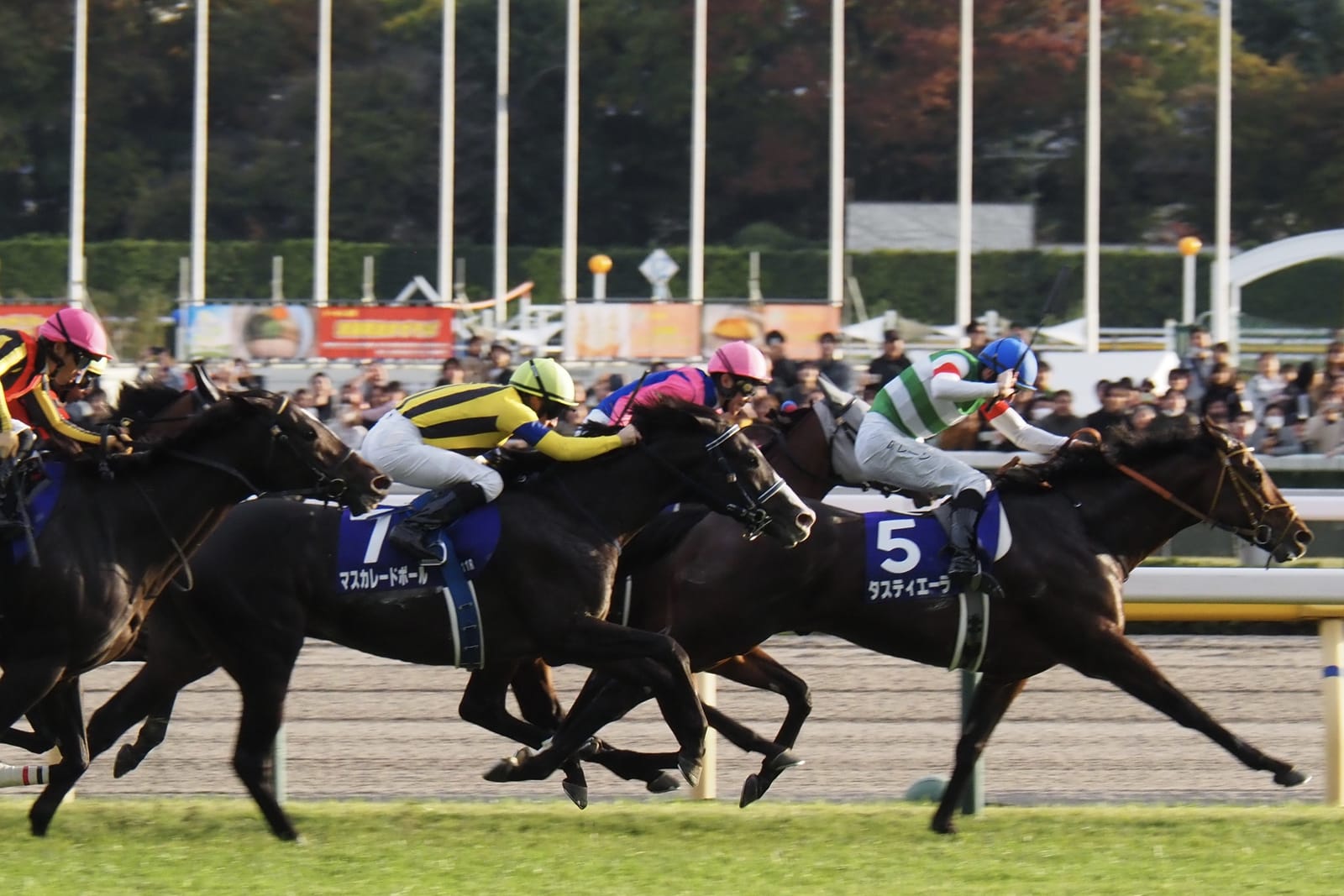
- The jockeys’ caps: colour shows the bracket number (1 white, 2 black and so on). The bracket system is particular to Japanese racing.
- The odds screens: how the pool system works and why odds change until sales close 2 minutes before the start.
- The crowd: Japanese racecourses go loud in the final straight. Tokyo’s straight is 525.9 m long on the turf, one of the longest in Japan.
After the tour
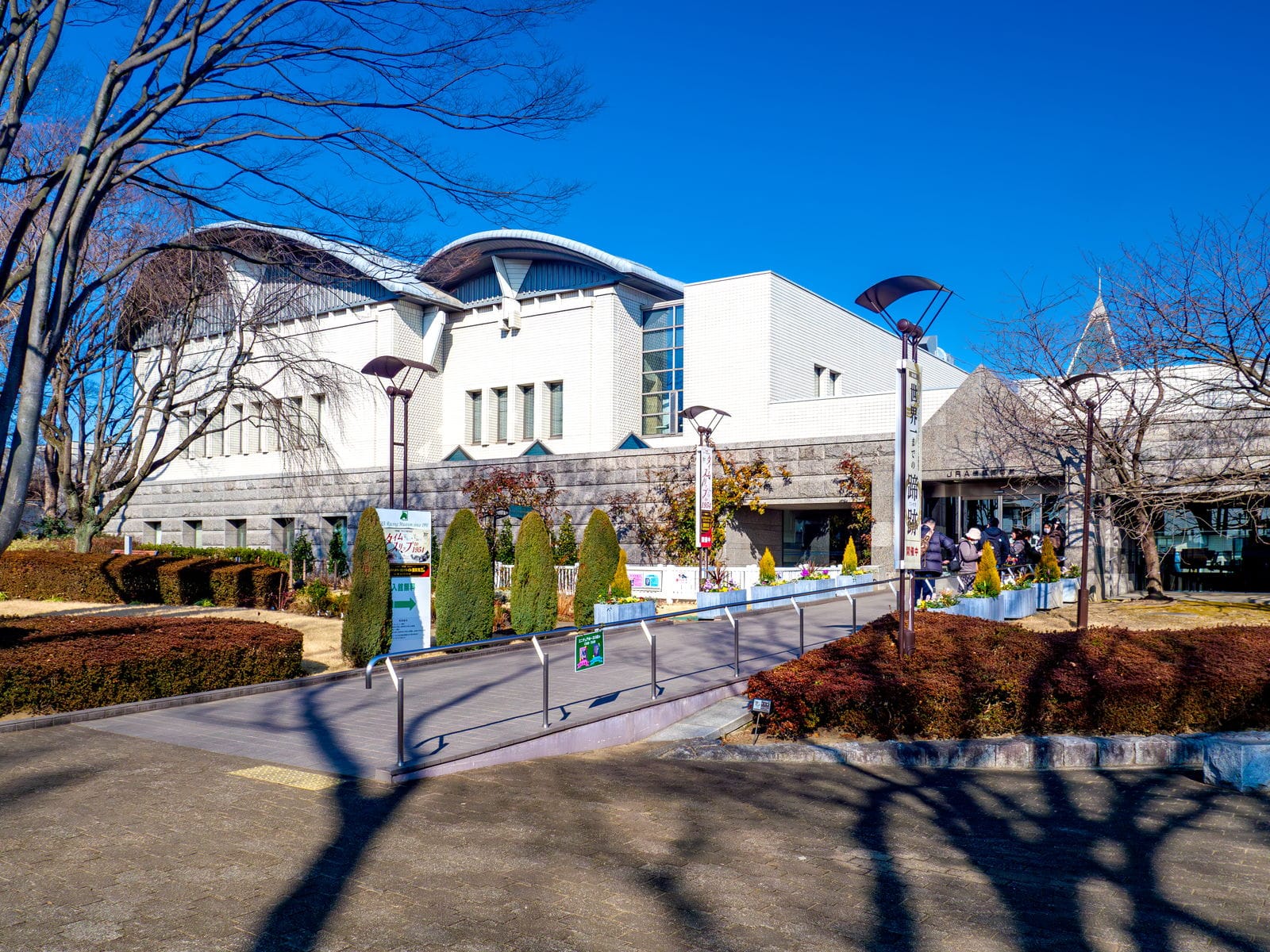

If your tour ends before the last race, stay on. The free JRA Racing Museum is inside the grounds, and there are food courts in both stands. See eating at Tokyo Racecourse. On a big race day, read big race days first, because the crowds are much larger.
Prices and hours change. Check the official site before you go.
Plan this trip
Sources(checked on October 17, 2026)
- Klook: Tokyo Horse Racing Tour with Local Fan (with Ticket)
- Horse Racing in Japan: Sale of JRA racecourse admission tickets and reserved seats
- JRA: How to enter Tokyo Racecourse during the 4th and 5th Tokyo meetings 2026 (Japanese)
- JRA: Reserved seats at Tokyo Racecourse (Japanese)
- Horse Racing in Japan: Guide to Going Racing