Food
Eating at Tokyo Racecourse
Where to eat at Tokyo Racecourse: the fast food courts in both stands, the infield food area during the autumn meeting, bracket-colour cocktails, and how to dodge the lunchtime rush.
By Tama Travel GuideFacts checked: 4 sources
At a glance
- Nearest station
- Food courts: Fuji View 1F/2F, Memorial 60 B1
- Best for
- Cheap, quick meals between races
Contents
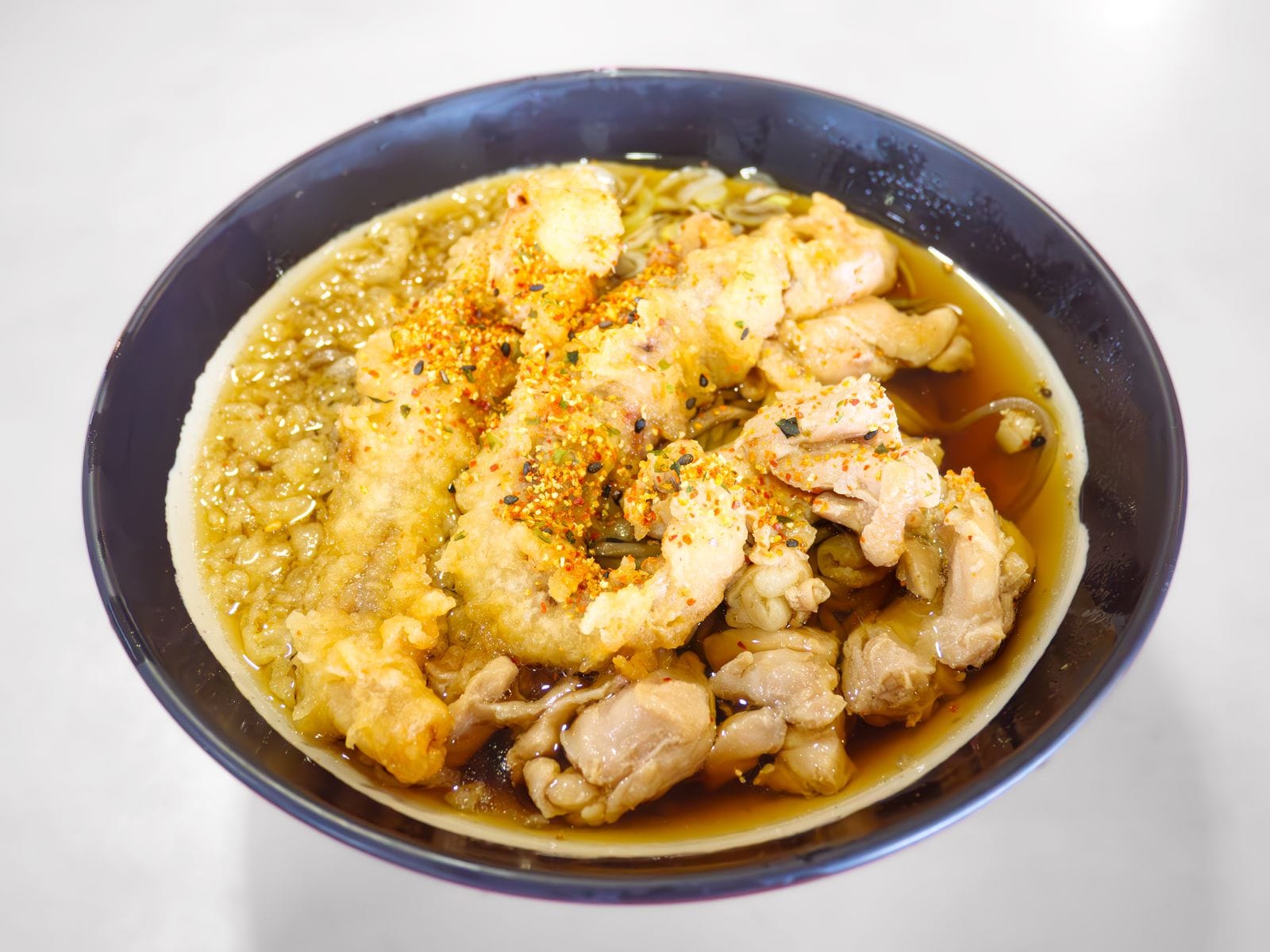
Food at Tokyo Racecourse is mostly quick, casual and cheap: ramen, rice bowls, udon and soba, curry and fried chicken, sold from fast food courts in both grandstands and, during the autumn meeting, an infield food area. The trick is timing. Eat before noon or during a race, not in the gap right after one. On Tokyo race days JRA runs a live crowding site that shows which outlets are busy.
Where the food is
JRA lists these main food areas (as of October 2026):
| Area | Where | What JRA says |
|---|---|---|
| Fast food court | Fuji View Stand 1F (east side) | Ramen, rice bowls and similar. Open from gate opening |
| Fast food court | Fuji View Stand 2F (west side) | As above. The Baby and Child Room is next to it |
| Fast food court | Memorial 60 Stand B1 | As above |
| Convenience store | Fuji View Stand 3F | JRA calls it the only convenience store at the racecourse. Food, drinks and daily goods |
| Infield food area (馬場内グルメエリア) | Inside the track | Listed on the gourmet map for October 3 to November 1, 2026 |
| Restaurants | Various floors | Full list in JRA’s restaurant PDF |
What’s on the menu
The autumn 2026 gourmet map lists a wide spread of outlets. The categories it shows include:
- Noodles: udon and soba stands, ramen, and Nagasaki-style champon.
- Rice: rice bowls (donburi) and curry. The map includes a CoCo Ichibanya curry outlet.
- Fried food: tonkatsu, and karaage (Japanese fried chicken) from more than one stand.
- Snacks: takoyaki and yakisoba.
- Sweets and drinks: a sweets stand, shaved ice, coffee shops and drink counters.
The map also lists a Hanamaru Udon stand.

Race-day specials
The autumn 2026 gourmet map features bracket-colour cocktails (枠色カクテル), eight drinks in the colours of the eight starting brackets. They come with a souvenir cup. The map says they were produced by jockey Keita Tosaki and first became popular at Nakayama Racecourse. Alcohol is for 20 and over in Japan.
The same map also mentions regional food fairs on some days, such as a Ban’ei Tokachi and Hokkaido fair near the Main Gate on October 3–4.
Timing: when to eat
A race day has about 12 races, from around 10:00 to about 16:30. Most people head for food in the gaps between races.
- Eat early. Before 11:30 the courts are calmer.
- Order during a race. While a race is running, many people are watching, not queuing.
- Use the crowding site. On Tokyo race days, JRA’s crowding site shows the status of food outlets, betting areas, UMAJO SPOT, the Turfy Shop, the paddock and women’s toilets. It doesn’t cover Park Winds (off-track betting) days.
- Bring cash. The racecourse ATMs closed in 2022.
Bringing your own food
JRA lets you bring things in, apart from items that could disrupt the races or bother other visitors, and it may limit where you can use chairs and picnic sheets. A packed lunch on the lawn is common at Japanese racecourses.
Women’s lounge UMAJO SPOT does not allow outside food or drink.
Eating outside the racecourse
If you are coming from Fuchu Station (府中), you walk past cafes and restaurants on the way. The walk from Okunitama Shrine to the racecourse is in our Fuchu walk.
For families, see Tokyo Racecourse with kids. For indoor seating on a wet day, see the rainy-day guide.
Prices and hours change. Check the official site before you go.